


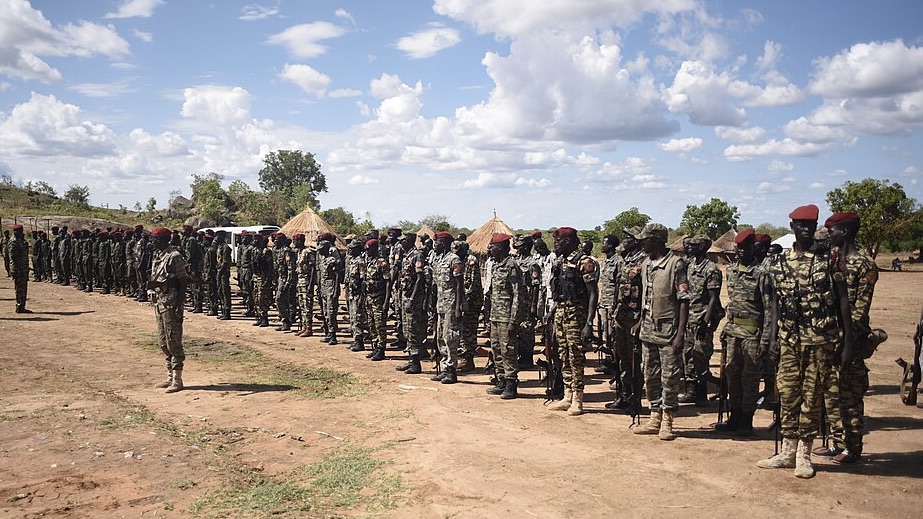
Since April 2023, Sudan has been the scene of a brutal civil war which, however, has attracted little media attention, at least in the West. In recent days, the conflict has drawn greater coverage due to the capture of El-Fasher—the last stronghold of the Sudanese Armed Forces (SAF) in North Darfur—by the Rapid Support Forces (RSF), a paramilitary militia led by Mohamed Hamdan Dagalo (known as “Hemedti”), after months of siege.
The takeover of the city by the RSF was accompanied by significant massacres: hundreds of civilians were summarily executed, including patients at the hospital. The overall death toll since the beginning of the war exceeds 150,000, while around 12 million people have been displaced (8 million internally), making it the largest displacement crisis in the world. Moreover, more than 25 million people are facing hunger, with 1.4 million children at risk of acute famine. Thousands have already died as a result of malnutrition.
The conflict erupted on April 15, 2023, in the capital Khartoum, when the RSF attacked SAF positions, in a context of rivalry over control of the country following a joint coup in 2021. The two factions, once allies against rebels in Darfur, later split over issues such as the integration of the RSF into the regular army and the control of economic resources, including gold and trade. The involvement of external powers has further complicated the situation: the United Arab Emirates are accused of supplying the RSF with weapons and funding, while Egypt supports the SAF. Russia and other actors also have interests in mineral resources.
Aside from the capture of El-Fasher, the front lines have remained largely unchanged in recent months, while reports from international organizations present a dire picture, including an ongoing genocide against non-Arab communities (particularly the Masalit). Darfur had already been the site of a genocide between 2003 and 2010, when paramilitary and government forces carried out mass murders, widespread rape, the destruction of villages, poisoning of wells, and forced deportations. Estimates vary, but at least 300,000 people were killed (according to the UN) and more than 2.5 million were displaced.
